Paul Fletcher
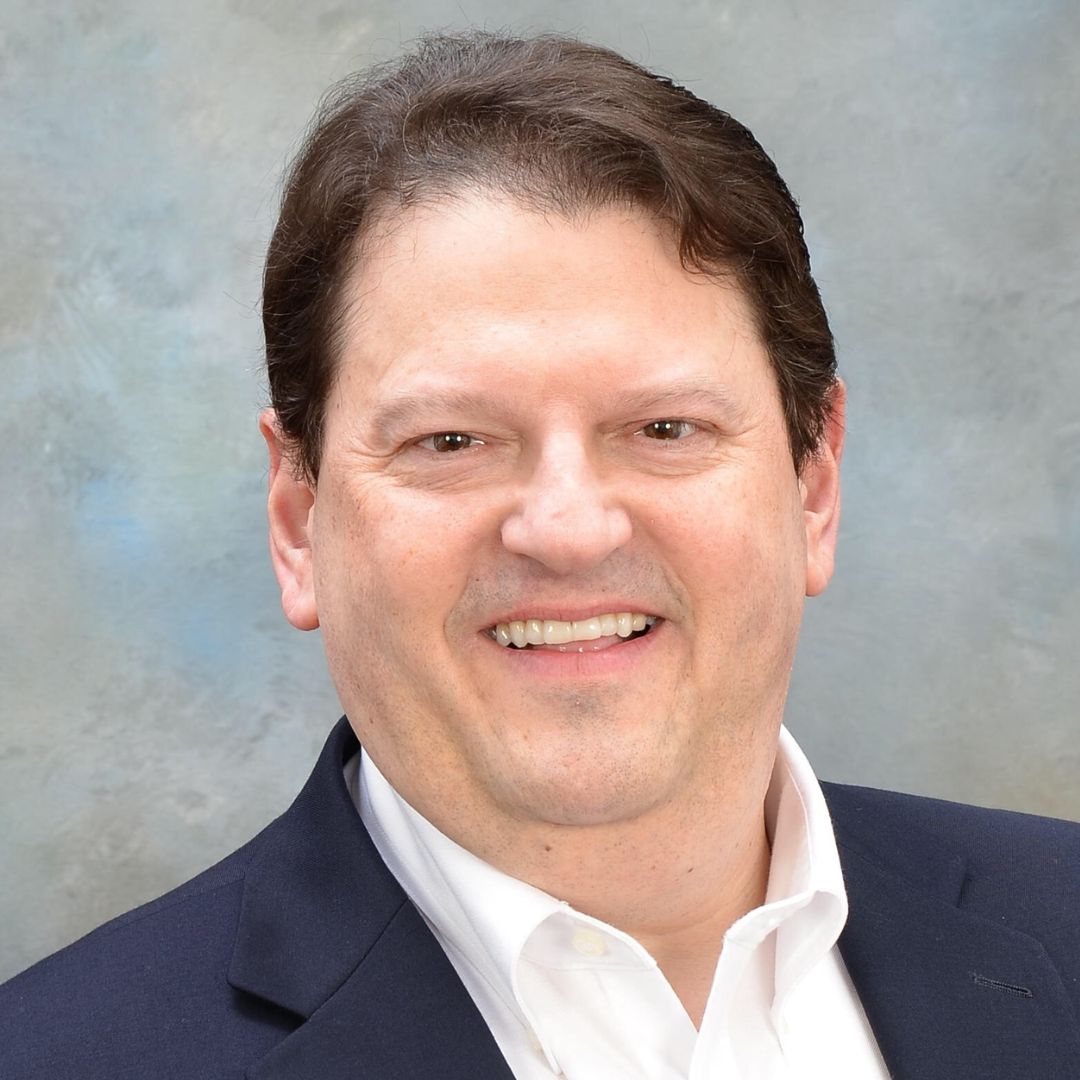
Paul Fletcher
Class: MASC 676: Media Law and Ethics
An ethics code is a guide for decision making so that you hope you come up with the right thing to do.
How long have you been a part of the VCU community, and what brought you here?
I started teaching as an adjunct at VCU in 2017. I taught five classes in the undergraduate program over three years from 2017 through 2019. The two classes I taught were Writing for Print and Web and Copy Editing. I had been talking with Bill Oglesby, whom I’d known forever, saying I'd really love to come and be an adjunct because I had been a teacher before in my career.
For many years, I was the publisher and editor of Virginia Lawyers Weekly, which is a professional newspaper and website for lawyers, judges, and the legal profession in general. I had done that for 33 years from 1988 through 2021. In 2021, I left there and became the executive director of the Virginia Bar Association, which is where I am now. The great thing about continuing to teach at VCU, [is that] it lets me keep my hand in the field of journalism even if I'm not being a journalism practitioner anymore. I practiced law for three years and then took the job here and obviously stayed a long time.
What motivates you to be in the field of mass communications?
I had always loved to write. I was drawn to student publications. When I was practicing law, I freelanced a lot of book reviews on the side. I didn't get paid very much, but that's okay. It was still getting a byline and you know byline fever.
And to me, I've always really enjoyed the whole process of having good information and sharing it. I was very focused on a niche community at Virginia Lawyers Weekly of finding information stories that help people get informed and help them to improve their practice. So that was kind of my way of straddling that field of both law and journalism.
What drew you to be a part of the Graduate Program at the Robertson School, and what makes it unique?
I like this particular class that I'm teaching because I was very involved with the Society of Professional Journalists when I was at VLW [Virginia Lawyers Weekly] and went through the leadership ladder in the Virginia chapter and then went on the leadership ladder on the national level and was national president in 2016. What I did during my time there was on the Ethics Committee. Okay. We revised the SPJ Code of Ethics for the first time in about 27 years when I was there. That was just a great project because we upgraded it for the 21st century basically. The old code talked about cut lines and had references that were just very dated to both print and broadcast fields. So we kind of opened that up including social media. I've included some of that stuff in my class that I teach as kind of some of the behind the scenes information that we have.
The class that I have is useful for both the certificate or somebody that’s actually going to pursue the degree. And I know it's a required course, so [I like] being able to see people get excited about the material. A lot of the students that I've had over the two years have been in different positions at VCU. They might be a communications officer in the healthcare field or some of the others. There has been a consistent number of VCU employees that I've had as students. To see them be motivated to get their certificate or degree and to get excited about the material is really rewarding me. It's one of the things I like about it.
What’s been the most rewarding aspect of teaching in the program so far?
The thing that I like to do is go over various ethics codes in the first half [of the class]. We'll talk about the SPJ code of ethics and we have a broadcast code of ethics that we use, one for PR professionals, and one for photographers. And I do a lot of practical applications and hypotheticals, so there's really no right answer. An ethics code is a guide for decision making so that you hope you come up with the right thing to do. But that's part of the process. Is that you have to figure out what the sides are and what is good or bad.
And I'll ask a question as part of the exercises and I'll get some people that will say this and some people will say that. And then neither of them is wrong if it's well argued and well supported. That’s always fun to see.
How would you describe your teaching style?
Pretty relaxed. I do use a lot of hypotheticals, so I like to have a lot of practical application because I'm assuming many of these people have been or want to be journalism professionals. So they're going to need to know how to approach ethical problems or situations that are kind of dicey. And they're going to need to know how to do that in an organized and straightforward way. I hope that they can take what I'm doing and apply it when they're out in the real world. So that's my approach, it's very practical.
And the one thing that I wish we had more of is the interaction [with each other] that we could or should [get]. It’s because asynchronous learning is all on their time and then on my time. Like with a regular class where you walk in and you're in a classroom and the students are sitting there and you're sitting having a one-on-one, direct conversation.
I try to make sure we have as much contact as possible through email and offering thoughts on some of their work and providing feedback to create that as much as I can.
What can students expect out of your class next semester?
I'm going over what I'm going to do because my class has been shifted to the summer. The first two years that I did it both times were in the fall. That actually probably works out better for me because my fall gets really busy here at the Bar Association. So I'm probably going to add a section about the Freedom of Information Act.
The first half has been about ethics, and the second half would cover defamation, copyright, all those kinds of things. And I think there's enough that's gone on with the FOIA laws that I would like to cover that at least in part. So I'm tinkering with my agenda a little bit.
What is one piece of advice you would give to incoming students of the Graduate Program?
The great thing about this is that you get out of it what you put into it. Because you have to be very self-motivated, organized, and you have to work. I am very impressed at the number of students who take that to heart already. But that's really the best thing about it, is that you will get out of it as much as you put into it. So it's well worth putting into it. Because I try to design material in a course that will cover some of the things they will face. I think there's a lot of theoretical stuff in journalism school, but it's all focused on how you actually be as a reporter at the same time.
How are you going to tell stories, whether it's print, broadcast, or internet? It's a professional school. It's a professional discipline that you want to join and you want to be good at it.