Karen Mishra
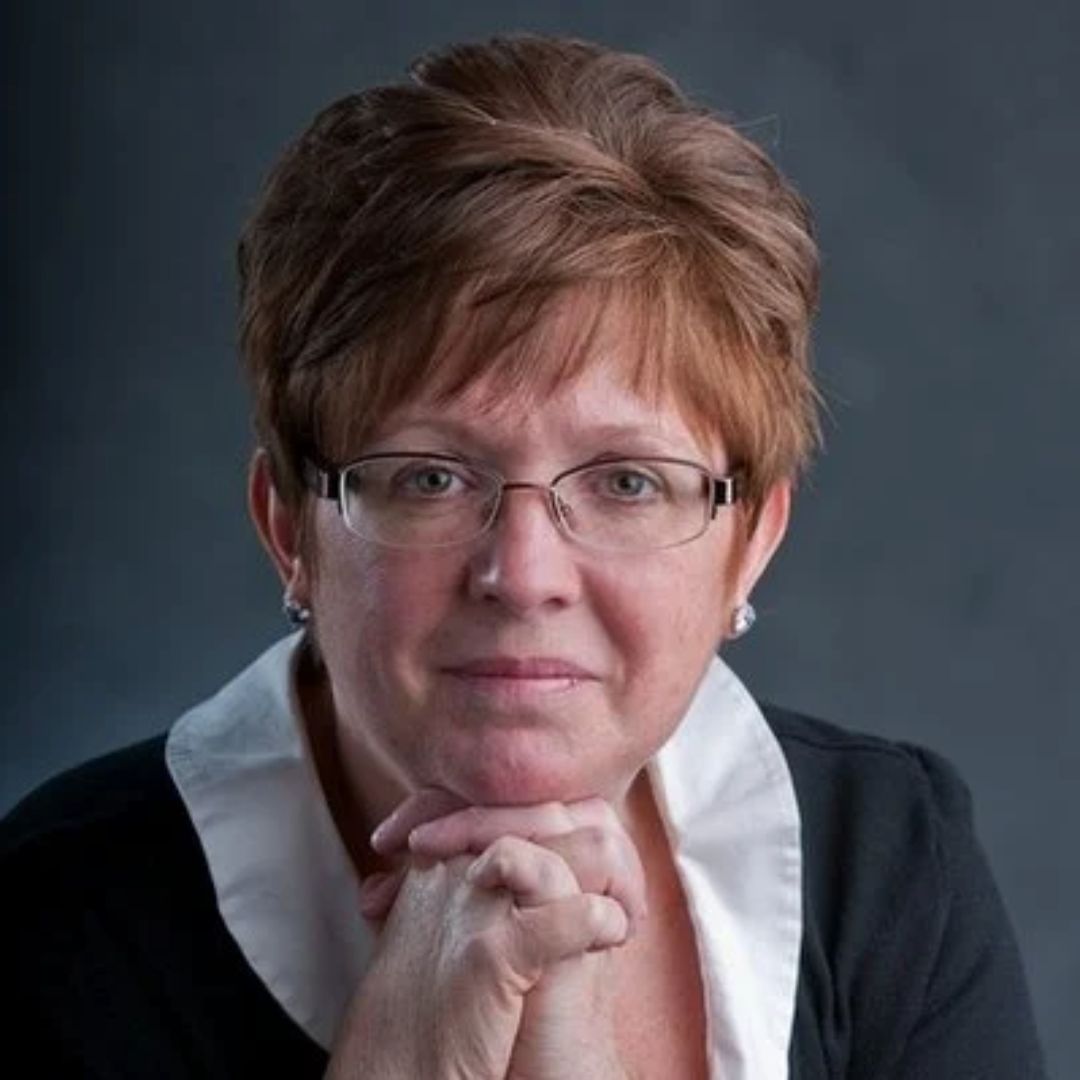
Karen Mishra
MASC 676: Strategic Communications in the Global Environment
It's kind of a unique time in your life where you can really take advantage of the many things that the school has to offer.
How long have you been a part of the VCU community, and what brought you here?
This is my second year, I'm really excited that they invited me back! One of the professors who left VCU this year connected with me and she needed somebody to teach summer classes. The school where I teach full-time doesn’t have any summer responsibilities, so I always have time over the summer and I'm not really good at sitting still.
What motivates you to be in the field of mass communications?
So I started my career at [company name], and one of the things I found is that everything that we heard from our bosses was in the Wall Street journal before they told us. I was just so frustrated…I was like, why can't you just answer these questions? Why can't you tell me these things? Why do I have to read it in the Wall Street Journal?
So, I got to study with Bob Lauterborn, who is one of the three founders of the Integrated Marketing Communications (IMC) program at UNC Chapel Hill. And I was telling him about this frustration and he's like, well that's actually an area that you could really build on is internal communications.
So I actually did my dissertation on integrated marketing communications, but specifically internal communications because I just felt so strongly that we need organizations to think differently. If we care about our employees first, then they will take care of our customers.
What drew you to be a part of the Graduate Program at the Robertson School, and what makes it unique?
I love the variety of students that I have in my class…just all of their different backgrounds. That actually brings a lot to the classroom discussions too. It's online, so as much as you can make it interactive, I try to do that. In our discussions, I try to get involved and I encourage them to as well, and they really did. They really would talk to each other and share their experiences and backgrounds. So then I feel like I'm just the facilitator there to help them learn from each other.
For me, I really loved that they all had so much to bring to the table. Some of them said global was a new way of thinking than what they had done before, but they still could apply some things that they did and see how they could take that into the future job with them.
What’s been the most rewarding aspect of teaching in the program so far?
I really think the students. I went back to get my PhD at 40 because I started teaching as an adjunct and realized that's really where my passion lies. I really try hard to make myself present with students so that they really get to know me week after week and they get more out of the class when they feel like they're present there.
I try to respond to all of their posts because I think that they get more out of it when I participate in a way that I can ask them questions and then they talk back. The thing that I found with my online classes is that I would stay up till like 2:00 in the morning because it was so much fun talking to all these people. And so yeah, that was one of the most fun things. It's being able to build those connections.
How would you describe your teaching style?
I really try to make it interactive and I think that stems from being a relatively recent student because I'm just not a fan of lecturing. So I try to give a video each week of a little introduction that explains what we're going to be talking about. Then throughout the week, I try to have some touch points with students where we're back and forth with each other. So whether I'm face-to-face or online, I try to be interactive.
What can students expect out of your class next semester?
We do a couple of projects including one that compares and contrasts different ways of PR globally. So you really get to see what the similarities and the differences are in the way that we communicate as practitioners in a global environment.
No matter where you are, there's global companies and you could be sitting in those cities but still working with people and your competitors all over the world. So it's really important to understand the nuances of how we communicate, what those communications mean in those settings. This is important because we don't want to be rude to our customers or alienate potential customers, so we have to really think about what message we're trying to convey.
We have weekly assignments, discussions, and then two different projects. I try to do a little bit of everything because I know people are like, “why do you make us do group projects?” They don't realize we have to do group projects too as faculty and just in real life in general. It's just part of life.
What is one piece of advice you would give to incoming students of the Graduate Program?
Jump in and absorb it all because there's so many cool things going on at the Robertson School. You just don't want to miss it, whether it's guest speakers or even just getting to know your professors because they all come from such great backgrounds and have done some really cool things. So just take advantage of that. I think it's kind of a unique time in your life where you can really take advantage of the many things that the school has to offer.