Kaitlin Hanger
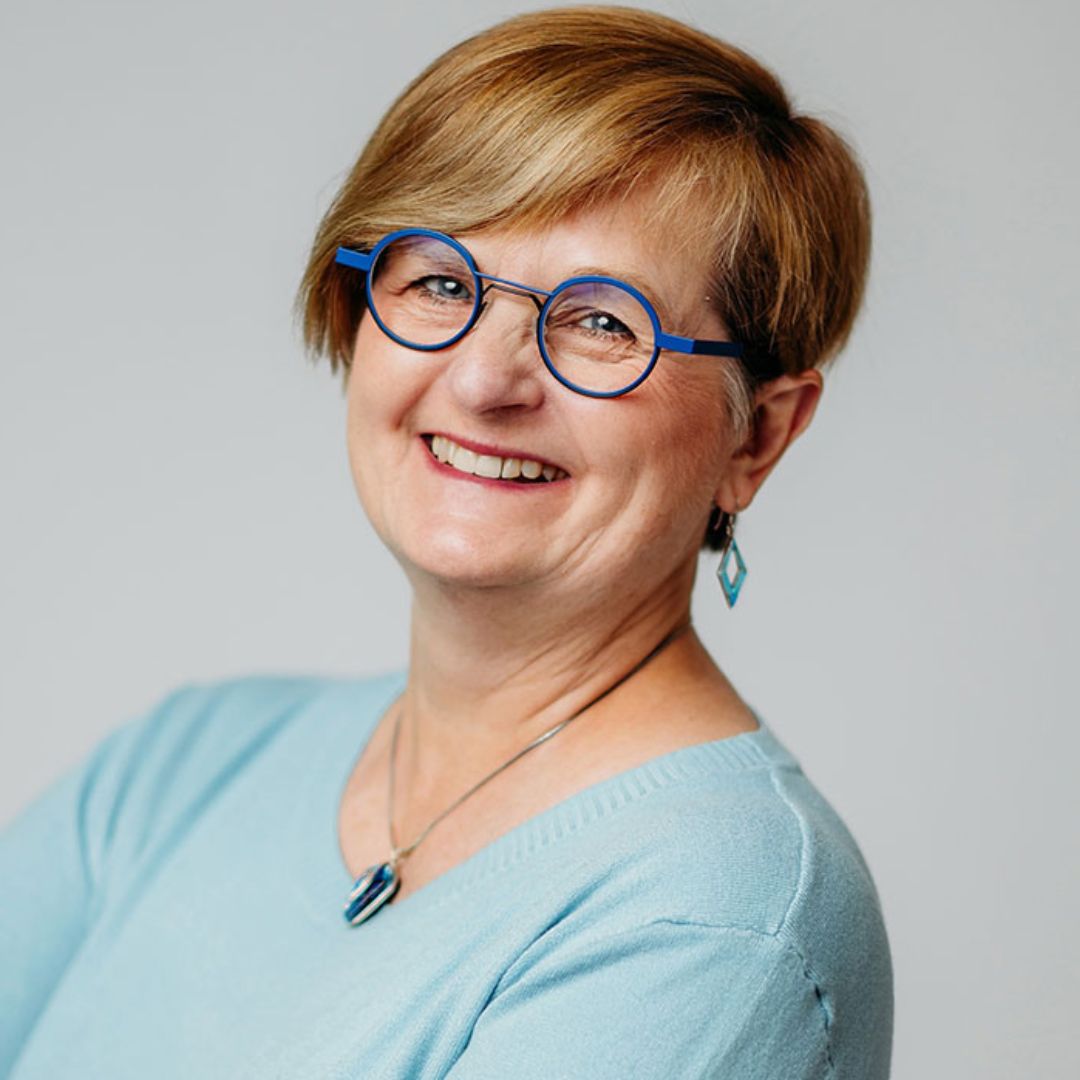
Kaitlin Hanger
MASC 645: Digital Production
They’re grown adults even if they're coming straight from undergrad. You feel you learn from them too, it's more of an equal relationship.
How long have you been a part of the VCU community, and what brought you here?
I've been here for seven years now. I came here because I was living in Miami and wanted to move to a more manageable city. So I sent in my application as kind of just a spur of the moment, came to check out the city, and really liked Richmond. I was also in an art department at University of Miami and I wanted to get back into communication.
What motivates you to be in the field of mass communications?
I had the opportunity in my corporate job at ProQuest Corporation to do a promotional video for our preservation addition because they [books] were falling apart from the acid in the paper. It was such a fun project, and for the first time I got to write a script for a video and oversee the shooting of what we hired the production company for. I loved it so much. It finally brought together my design, my writing skills, and my ability to visualize and make things come together. Then I decided that that's what I would like to do. So I decided to go back and get my Master’s degree. And I also found that I really loved teaching while I was working in the Master's program.
What drew you to be a part of the Graduate Program at the Robertson School, and what makes it unique?
I wanted the opportunity, since I had a PhD, to teach older students. Teaching graduate students is something that I think most professors like to do. They want to push towards those upper level classes because they're more challenging for us. And the students are just…it's fun to work with the professionals. People who are already in the field or people who have done their 4 year degrees and are already working with a strong foundation.
[What makes the program unique] is that it's all online. It's also a big appeal to professional students who are already working to come back and get their degree because they can do it online and don't have to quit their job. So I think that's one of the strong benefits of the program. It's a professional degree that teaches people to be professional more than it does teach them to go on and be academic, which most graduate programs do.
What’s been the most rewarding aspect of teaching in the program so far?
The students. We have really “with it” students that are smart and just extremely nice. I just really love our graduate students because they're adults. They’re grown adults even if they're coming straight from undergrad. You feel you learn from them too, it's more of an equal relationship.
How would you describe your teaching style?
I'm kind of laid back. I'm easy to talk to. I think our students find that I'm forgiving because I understand that they have jobs and they're very busy. As long as they communicate with me ahead of time that they're struggling, I can work with them and get them where they need to be. I really focus on creativity and how important it is to use that right side of the brain in all of our communication professions, with how to come up with ideas and think creatively, and trusting yourself to do that. So many students who come straight from undergrad that were interested in writing don't realize that they have the right side of the brain that they can develop.
What can students expect out of your class next semester?
We do a variety of Media Production. They start out with photography, with learning about different styles, the composition, how to take good photos, and then they go out and practice. They do a podcast that's often story related rather than interview. They'll do a short video, which is only three minutes long, where they interview someone in the profession or in another profession to tell their story. And then they do graphic design, usually for a client.
What is one piece of advice you would give to incoming students of the Graduate Program?
Don’t be afraid. I can remember when I started my Master's program and again when I started my PhD, I felt like “oh my gosh, I'll never get through this, it's just too much, too overwhelming…
And it's kind of scary to learn at first, and then you get so into the material as it goes along that you kind of forget it being scary. And then at the end, I would always wonder why I was so afraid of the beginning. Within a couple weeks of taking the class you say, “I got this”.